
Waterbirds on the Arcoona Lakes in arid South Australia, 2007–2010
Reece D Pedler, Kelli-Jo Kovac
p. 79-96
Abstract
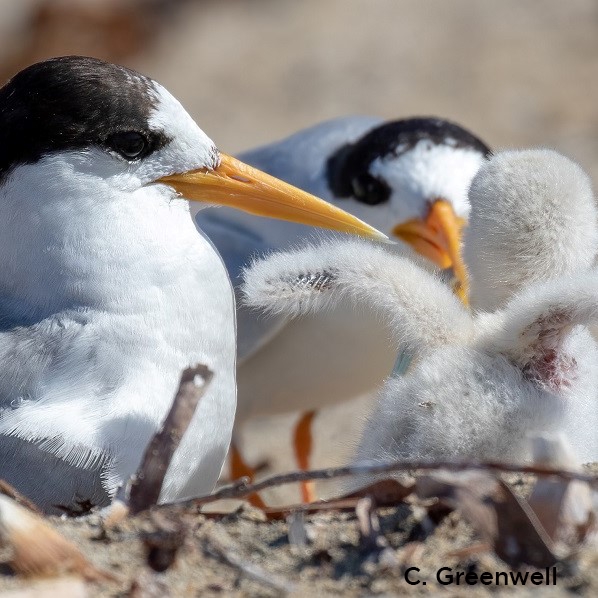
The significance of the Arcoona Lakes complex in northern South Australia was first documented following its 1989 filling, when up to 150 000 waterbirds, of 56 species, were supported over the following 5 years (Read & Ebdon 1998). This ephemeral wetland complex filled again in January 2007 following significant local rainfall, allowing a second detailed study on waterbird usage. During the following 3 years that the lakes remained inundated >45 000 waterbirds, of 46 species, were recorded, although counts in this study were much lower than those following the 1989 filling. These differences may be attributable to various factors, including the ongoing severe drought across much of southern and eastern Australia during this period, leading to depleted populations of many common waterbird species. Despite this, nationally significant numbers of threatened species such as Freckled Duck Stictonetta naevosa, Blue-billed Duck Oxyura australis and Banded Stilt Cladorhynchus leucocephalus, and large breeding colonies of Gull-billed Terns Gelochelidon nilotica and Black Swans Cygnus atratus, qualify this wetland system for listing under Ramsar criteria and reinforce the need for its conservation.